In this article:
Trusted House Painters, Compared
Homeowners across Atlanta are often surprised by how many painting options are available once they start comparing. Whether you need a fresh coat on the siding, trim work, or a full exterior refresh, comparing a few local quotes helps you see a reasonable price range before committing to anyone. A short comparison can save you both time and money, no matter what your home currently needs. Local weather plays a role in how often paint needs attention, and Atlanta sees its share of wet stretches throughout the year. That's one more reason it helps to talk with a qualified specialist who knows the area and can point out what your home actually needs. Ready to see what local pros can offer? Compare a few free quotes today.
Catching Paint Problems Before They Spread
Paint doesn't fail overnight, it usually starts with small signs that are easy to miss. Peeling paint, bubbling patches, and dull, chalky siding are all signs that the protective layer has broken down. Once moisture gets past that layer, it can soak into the wood underneath and sit there far longer than it should. That trapped moisture is exactly what invites mold, soft spots, and eventually wood rot to take hold. Left alone, a small patch of damage can spread into a bigger repair job within a season or two. A certified painting specialist can spot these warning signs early and recommend the right fix before the damage grows.
Bringing Your Exterior Back in Shape
The Process From a Qualified Specialist
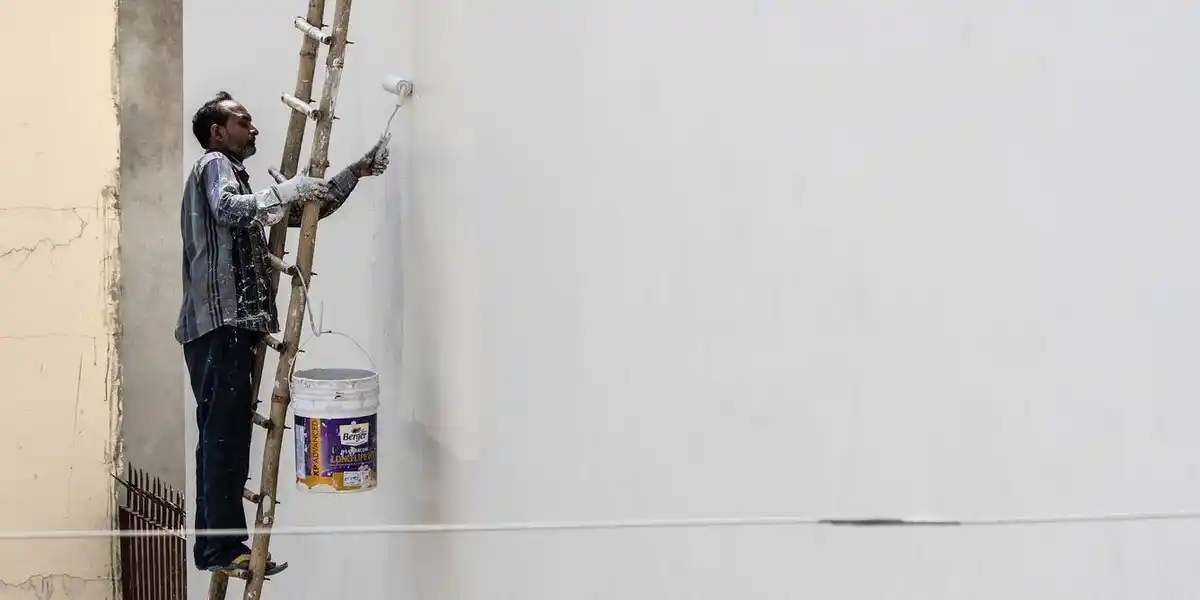
Most projects start with a walk-around inspection of the siding, trim, and any spots showing wear. The painter checks for soft wood, loose caulking, and areas where old paint has already started to lift. Every damaged section typically gets scraped, sanded, and treated before new paint goes on, since paint won't stick to a compromised surface. Pressure washing is often part of this stage too, clearing away dirt, algae, and loose debris so the new coat has a clean surface to bond to. From there, a primer and two coats of exterior paint go on, matched to the type of siding and the local climate. The result is a renewed exterior that's better prepared to handle whatever the weather brings next.
Estimate Your Painting Cost
Estimated Cost by Service (per sq ft) in Atlanta (Estimate)
Note: these are average reference prices. Request a quote for an exact price.
| Estimated Cost by Service (per sq ft) | Average Price per sq ft |
|---|---|
| Exterior House Painting Siding, trim, and soffits | $ 1.54 - $ 4.11 |
| Interior Wall & Ceiling Painting Walls, ceilings, and trim | $ 1.03 - $ 3.08 |
| Deck & Fence Staining/Painting Wood decks, fences, and railings | $ 1.03 - $ 2.57 |
| Pressure Washing & Surface Prep Cleaning and scraping before painting | $ 0.21 - $ 0.51 |
| Trim-Only Painting Windows, doors, and fascia trim | $ 2.06 - $ 5.14 |
A Look at What's Available
Full Exterior Painting
Exterior painting is usually the first thing residents think of when their siding starts looking tired or worn. In a climate that sees plenty of rain, the paint job matters even more, since it's the main barrier keeping moisture out of the wood underneath. A quality exterior coat sheds water instead of letting it soak in, which slows down the kind of damage that shows up after repeated wet spells. Painters typically start with surface prep, since paint applied over dirt, mildew, or old peeling layers won't hold up for long. Caulking gaps around windows, trim, and joints is another step that keeps water from sneaking behind the siding. Once the surface is ready, a primer coat helps the finish paint bond properly and resist future moisture. Many painters recommend paints with mildew-resistant additives for homes in wetter regions, since they hold up better against repeated damp cycles. The right finish also matters, since a satin or semi-gloss sheen tends to shed water more easily than a flat finish. Comparing a few quotes lets you see which painters have experience with these wet-weather techniques before you decide.
Mildew Treatment and Minor Wood Repairs
Before any paint goes on, most painters recommend a thorough pressure wash to strip away grime, mildew, and loose paint chips. This step matters even more in a wet climate, where mildew and algae tend to build up faster on shaded or damp siding. A clean surface also makes it easier to spot trouble spots that need attention before painting even starts. Soft or spongy wood, especially around window sills, corners, and the bottom edge of siding, often needs to be repaired or replaced first. Leaving rotted wood in place and painting over it doesn't fix the underlying issue, it just covers up it for a while. A painter or a paired carpentry professional can replace small rotted sections so the new paint job has a solid surface to protect. Addressing mildew and rot together, rather than one at a time, tends to give the best long-term results. Skipping this stage is one of the most common reasons a paint job fails early in wetter climates. Ask any painter you're comparing how they handle surface repairs on homes with existing moisture damage.
Financing and Maintenance Options
Exterior paint doesn't last forever, and homes in wetter areas often need repainting somewhat sooner than homes in drier climates. A seasonal walk-around to check for peeling, cracking, or soft wood can catch small problems before they turn into bigger repairs. Many painters offer this kind of quick checkup, sometimes as part of a broader maintenance conversation. Pricing for exterior work depends on the size of the home, the condition of the existing paint, and how much prep work is needed. A specialist can walk you through financing options if the full project doesn't fit neatly into a single payment. Getting a few quotes side by side is usually the simplest way to understand what's a fair price for your specific home. Some painters also offer a written labor warranty, which is useful asking about when you're comparing options. Staying on top of small repairs between full repaints tends to stretch the life of the paint job overall. Comparing quotes now, even if you're not ready to start immediately, gives you a better picture of your options down the road.
How Much Does Exterior Painting Cost
Paying for exterior painting doesn't have to mean one big payment all at once. Many painting contractors offer financing plans that break the total cost into smaller monthly payments. A specialist can walk you through what options are available once they've reviewed the size and condition of the job. Pricing depends on several factors: the size of the home, how much prep and repair work is needed, and the type of paint used. Getting a few written estimates side by side makes it much easier to spot a fair price and avoid overpaying. Ask each painter you compare what warranty or payment options they offer before making a firm decision.
Why Paint Wears Faster in Wet Climates
With about 53.6 inches of rain falling here each year, exterior paint in this area faces significantly more moisture exposure than in drier parts of the country. Roughly 191 rainy days a year means wood siding and trim rarely get a long stretch to fully dry out between storms. That kind of prolonged dampness is exactly what allows mildew to take hold on shaded walls and north-facing trim. Average humidity here runs around 75.9%, which slows down drying time even more and gives paint less of a window to cure properly. With about 53.6 inches of rain a year, water can sit closer to the foundation and wick up into lower siding boards more than it would in drier regions. In Georgia, , which is another reason it pays to work with a painter who understands how local conditions affect exterior coatings.
Local Facts for Atlanta
How Comparing House painters Works in Atlanta
Tell Us About Your Project
Answer a few quick questions about your painting job — interior, exterior, or both.
Get Matched with Local Painters
We connect you with painters who serve your area and can handle your project.
Compare and Choose
Review quotes side by side and pick the painter that fits your budget and timeline.
Get Ready to Compare Painters in Atlanta
No matter what your home in Atlanta needs, whether it's a full exterior repaint or just some touch-up work, comparing options is the simplest place to start. Getting a few free quotes takes just a few minutes and gives you a real sense of local pricing. You're never required to hire anyone just because you asked for an estimate. Independent painters can answer questions about timelines, materials, and what your home specifically needs. The sooner you compare a few options, the sooner you'll have a clear plan and a fair price in hand. Get started now and see what painters near Atlanta have to offer.
Call (877) 734-7079