In this article:
House Painting Options in Des Moines
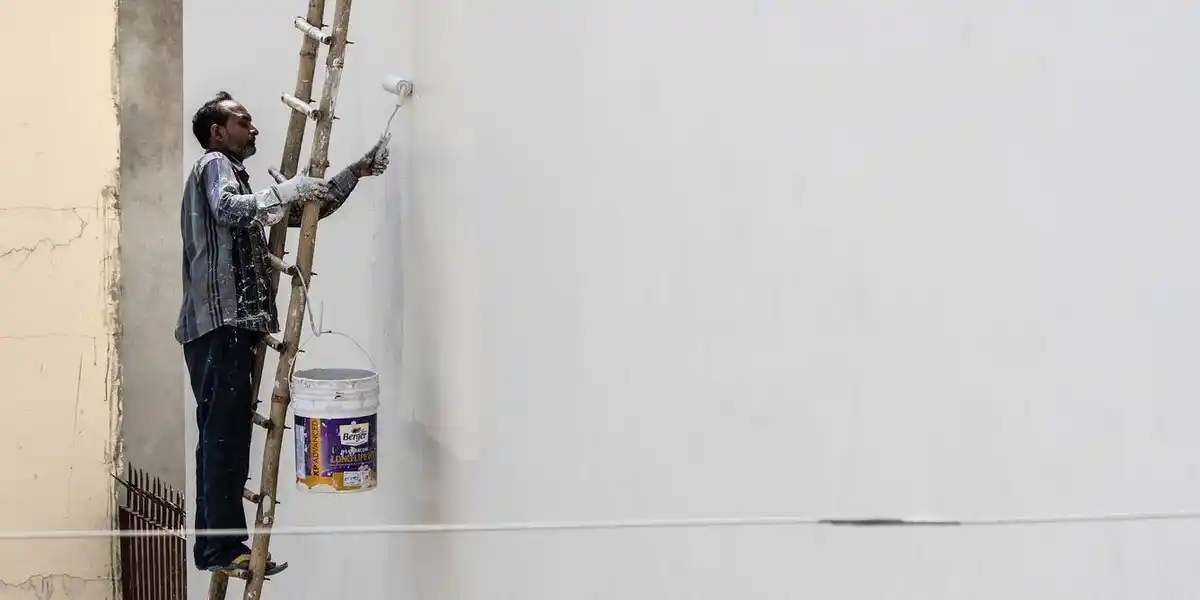
Whether you're refreshing a single room or tackling the whole exterior, finding the right house painter in Des Moines starts with knowing what your project actually needs. Beyond looks, a quality paint job helps protect your siding and keeps small maintenance issues from turning into bigger ones. Local weather plays a bigger role in paint longevity than most homeowners expect, especially in a spot known for gusty conditions like this one. Costs and schedules shift from house to house, depending on things like square footage, prep work needed, and paint quality. Comparing quotes from a few nearby painters is the simplest way to see a realistic price range for your specific project. Ready to get started? Comparing free, no-obligation quotes from painters in Des Moines only takes a few minutes.
Common Paint Problems in Des Moines
Paint that looked great a year or two ago can suddenly start to look chalky, faded, or peeling in spots you didn't expect. Constant gusts here carry fine sand and debris that scrape against exterior walls, wearing down the paint surface faster than normal weathering would. Once that surface layer breaks down, moisture can get underneath and cause bubbling, rot, or worse damage to the wood beneath. Trying to patch small areas yourself often leads to mismatched color and a job that needs to be redone within a year or two. Skipping proper surface prep is one of the top reasons a paint job fails ahead of schedule, no matter how good the paint itself is. Bringing in a licensed painter means getting an honest assessment and a finish suited to what your home actually deals with year-round.
What to Expect From a Professional Paint Job
Step by Step: Assessment to Completion
A professional typically begins with a full walk-around, checking for chipped paint, damaged wood, and any surface that needs extra attention. Next comes pressure washing and scraping, which clears away loose paint and gives the fresh coat a solid surface to grip. Cracks and bare wood are caulked and primed first, since skipping that step is a common reason paint fails ahead of schedule. Timing matters too, since exterior paint generally needs dry weather above about 50°F to cure and bond the way it should. Two coats of durable exterior paint are then applied, often with extra attention to trim, corners, and areas most exposed to wind. A final walk-through lets you check the results together and ask about care tips before the painter finishes up the job.
Estimate Your Painting Cost
Estimated Cost by Service (per sq ft) in Des Moines (Estimate)
Note: these are average reference prices. Request a quote for an exact price.
| Estimated Cost by Service (per sq ft) | Average Price per sq ft |
|---|---|
| Exterior House Painting Siding, trim, and soffits | $ 1.34 - $ 3.56 |
| Interior Wall & Ceiling Painting Walls, ceilings, and trim | $ 0.89 - $ 2.67 |
| Deck & Fence Staining/Painting Wood decks, fences, and railings | $ 0.89 - $ 2.23 |
| Pressure Washing & Surface Prep Cleaning and scraping before painting | $ 0.18 - $ 0.45 |
| Trim-Only Painting Windows, doors, and fascia trim | $ 1.78 - $ 4.45 |
Services Homeowners Often Combine
Exterior House Painting
When a home's exterior paint starts to look tired, a full repaint of the siding, trim, and soffits is usually the main thing to address. In a windy area like this one, exterior surfaces take a beating from airborne grit, so a durable finish matters more than it might elsewhere. Most professionals steer homeowners toward exterior paints built for demanding conditions rather than a basic all-purpose formula. Proper surface prep, including scraping and priming, helps the new coat resist the kind of abrasion that comes with frequent gusts. A thicker application tends to resist the sandblasting effect of wind-driven grit far longer than a quick single coat. Trim and corners often need extra attention since those are the spots where wind tends to catch and wear paint down first. A semi-gloss finish often holds up better against dust and dirt than a flat sheen, which matters in a gusty climate. Timelines vary, but a typical exterior job runs from a few days to roughly a week, depending on house size. Getting a few local estimates makes it easier to find a painter who already knows how to handle the weather conditions typical of this area.
Pressure Washing and Surface Prep
A clean surface is essential before painting, which is why most jobs start with removing accumulated dirt and debris from the siding. In windy conditions, that buildup can include fine sand and dust that settles into every crevice of the exterior. Pressure washing clears away loose paint, mildew, and debris so the new coat has a clean, stable surface to adhere to. Skipping this step is one of the most common reasons a new paint job fails within just a year or two. Scraping away any remaining loose or damaged paint comes next, exposing a sound surface underneath. Cracks and gaps are usually caulked at this stage to keep moisture from getting behind the new paint later. Bundling prep work with a full repaint tends to give a longer-lasting result than treating them as separate projects. Some homeowners book a standalone power wash between paint jobs simply to keep the exterior looking presentable. Either way, a local painter can advise on how often this kind of maintenance makes sense given the area's weather.
Budgeting for Repaints Over Time
Because wind-driven wear tends to shorten the life of a paint job, it helps to plan for touch-ups a bit sooner than you might in a calmer climate. A painter can walk you through realistic maintenance intervals based on your home's exposure and the materials used. Setting aside a small annual budget for spot repairs can prevent a much larger repaint from becoming necessary too soon. Many painting contractors offer a written labor warranty, which is worth asking about when comparing quotes. For bigger jobs, many painters can point you toward financing plans that break the total cost into smaller monthly payments. A specialist can walk you through those financing options during the initial quote, so there are no surprises later. Keeping an eye on trim and high-exposure areas between full repaints can catch small issues before they spread. Homes built before 1978 may contain lead-based paint, so any older property should be assessed by someone familiar with EPA lead-safe practices. A little proactive upkeep tends to cost less in the long run than letting the exterior go until a full repaint is the only option.
Budgeting for Your Painting Project
Most homeowners find that getting multiple quotes is the best way to understand a fair price range for their specific project. Pricing depends on factors like square footage, the condition of existing paint, and how much prep work is needed. Many independent painters offer financing plans that break larger projects into monthly payments. During the estimate, a painter can explain available payment choices so there are no surprises on the invoice. It's also worth asking about a written labor warranty, since coverage terms can vary quite a bit between contractors. Taking a little time to compare pricing, warranty terms, and financing options upfront usually pays off in the long run.
How Des Moines's Climate Affects Exterior Paint
A relatively high hail risk compounds the problem here, since blustery storms often fling ice against siding right along with the dust. Because tornado risk sits at a relatively high level here, one severe storm can undo more of a paint job than a full season of normal weather. Because wind risk runs very high in this area, parched ground breaks down into fine dust that frequent gusts pick up and hurl against every painted surface. Storm-driven gusts tied to a very high wind risk add another layer of strain on top of the everyday abrasion. In Iowa, , which is worth keeping in mind when deciding how often to repaint. Years of very high wind exposure in this area means many homes have exteriors that have taken a beating without a refresh.
Local Facts for Des Moines
How Comparing House painters Works in Des Moines
Tell Us About Your Project
Answer a few quick questions about your painting job — interior, exterior, or both.
Get Matched with Local Painters
We connect you with painters who serve your area and can handle your project.
Compare and Choose
Review quotes side by side and pick the painter that fits your budget and timeline.
Find Your Painter in Des Moines
No matter what painting project you have in mind, comparing a few quotes first is the easiest way to get started. Painters serving Des Moines can walk you through choices for your home, along with realistic timelines and pricing. Requesting quotes doesn't lock you into anything, which makes it easy to compare a few painters before choosing one. Whether it's a full exterior repaint, an interior refresh, or just a deck that needs attention, getting matched with the right pro starts here. Take a few minutes today to compare free quotes from painters near you. There's no cost to look around, and doing so could save real time and money on whatever project you have planned.
Call (877) 307-1322