In this article:
Painting Services in Graham
Many homeowners in Graham start looking for a painter after noticing peeling paint, faded siding, or trim that's starting to look tired. From exterior siding to interior walls, local painters handle jobs of every size, whether that's one room or a full house. Some homes in this area show extra wear around the trim and soffits after a tough winter, which is exactly the kind of detail a local pro knows how to spot. Comparing a few local painters before committing is almost always the smartest first step. It gives you a sense of a reasonable price range and lets you see how different contractors approach the same job. Ready to see what's available near you? Request a few free quotes and compare your options today.
Common Painting Problems in Graham
Peeling paint, cracked caulk lines, and chalky siding are the kind of problems that creep up on homeowners slowly, until one day the damage is hard to ignore. Trim and soffits tend to show wear earliest, especially where moisture collects near the roofline. Once water gets behind a paint film, it can lift and crack the surface from the inside out, which makes small problems spread fast. Trying to patch these spots with a DIY touch-up often makes the mismatch more obvious rather than less. Without the right prep work, new paint fails to bond properly to old, damaged surfaces, so the fix doesn't last. A licensed painting specialist can assess the damage, handle the proper surface prep, and apply a coating that's built to last through the next season.
How a Local Painter Solves It
How the Work Gets Done
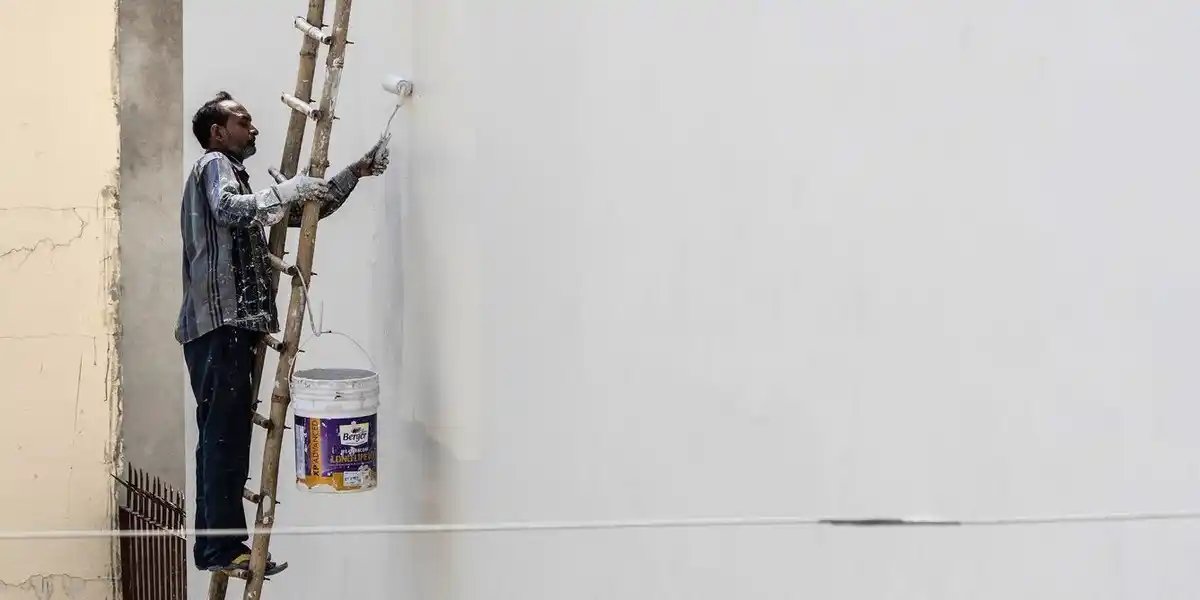
A local painter typically starts with an in-person assessment, checking the siding, trim, and any problem spots up close. From there, they'll explain what prep work is needed, whether that's scraping, sanding, or pressure washing before anything gets painted. Proper prep is what makes the difference between a paint job that lasts and one that peels again within a year or two. Once the surface is ready, the painter applies primer where needed and then the finish coats, working in sections to keep the job even. Exterior work generally needs dry, moderate weather, commonly above 50°F, for the paint to cure and adhere the way it should. Once the final coat is done, a walkthrough lets you check the work before calling the job complete.
Estimate Your Painting Cost
Estimated Cost by Service (per sq ft) in Graham (Estimate)
Note: these are average reference prices. Request a quote for an exact price.
| Estimated Cost by Service (per sq ft) | Average Price per sq ft |
|---|---|
| Exterior House Painting Siding, trim, and soffits | $ 1.74 - $ 4.64 |
| Interior Wall & Ceiling Painting Walls, ceilings, and trim | $ 1.16 - $ 3.48 |
| Deck & Fence Staining/Painting Wood decks, fences, and railings | $ 1.16 - $ 2.90 |
| Pressure Washing & Surface Prep Cleaning and scraping before painting | $ 0.23 - $ 0.58 |
| Trim-Only Painting Windows, doors, and fascia trim | $ 2.32 - $ 5.80 |
Painting Services to Consider
Trim-Focused Exterior Painting
Exterior painting covers siding, trim, and soffits, the areas that take the most weather exposure year-round. Trim around windows, doors, and rooflines tends to need extra attention since it's more exposed to moisture than flat wall surfaces. Repeated freeze and thaw at the eaves can push moisture behind trim boards, which is exactly where paint tends to fail first. A painter will typically scrape and sand any failing spots before priming, since paint applied over a bad surface won't hold. Caulking gaps around trim joints beforehand helps keep moisture out for the next several seasons. Two coats of exterior-grade paint are typical for durability, especially on trim that faces direct weather. Most exterior jobs take anywhere from a few days to about a week, depending on the size of the home. Weather windows matter too, since painters generally wait for dry and moderate conditions before starting outdoor work. Getting a few quotes for exterior and trim work lets you compare both pricing and the scope each contractor plans to cover.
Getting Surfaces Paint-Ready
Before any paint goes on, grime and loose paint need to come off the surface. Pressure washing handles most of that, removing buildup from siding, trim, and soffits in one pass. Stubborn spots, especially where paint has already started peeling, usually need manual scraping too. This step matters more than it might seem, since paint applied over a dirty surface won't bond well. Skipping prep work is one of the most common reasons a paint job fails early. A painter who handles prep and painting together can time the whole job around the right weather window. Some homeowners book pressure washing on its own, without a full repaint, just to keep siding looking clean. That can be a good way to extend the life of an existing paint job by another season or two. Either way, a local pro can recommend whether prep alone is enough or a fresh coat makes more sense.
Protecting Your Investment
A fresh paint job doesn't need much upkeep, but a little attention each year goes a long way. Inspecting trim and soffits after winter is a simple way to catch small cracks before they spread. Patching a small chipped spot early is far cheaper than repainting the whole section later. Most painters offer a documented labor warranty, so it's worth asking what's covered and for how long. Holding onto that paperwork makes any future touch-up conversation simpler. A specialist can also explain financing options if a full repaint isn't in the budget right now. Timing maintenance touch-ups a year or two apart usually costs less than waiting for a full repaint. Homes with more weather exposure on the trim tend to need that attention more often. Checking a couple of local painters ahead of time means you're ready whenever a touch-up is needed.
Paying for Your Paint Job
Painting costs vary a good deal depending on the size of the job, the surfaces involved, and how much prep work is needed. Exterior work that covers siding, trim, and soffits generally costs more than a single interior room, simply because of the surface area involved. Most states and many municipalities require painting contractors to hold a valid license above a certain job value, so it's worth asking about that upfront. Reputable contractors typically carry general liability insurance and often back their work with a written labor warranty. If the budget feels tight, a specialist can walk you through financing options that fit the scope of the project. Requesting a few quotes side by side is still the simplest way to understand a fair price range before committing.
Weather and Climate in Graham
With 42.5 inches of snowfall falling most years, ice tends to build up along rooflines and gutters before it clears. That buildup often turns into ice damming, which pushes meltwater up under trim boards and shingles instead of letting it drain away cleanly. On top of that, the area sees about 44 freeze-thaw cycles a year, and each one flexes painted wood just enough to stress the paint film at the seams. Winter lows averaging 33.9°F mean exterior painting season is limited here, so timing a repaint around a mild stretch matters more than in warmer climates. Given about 42.5 inches of snow a year in this area, trim near the eaves and soffits is usually the first place paint starts to crack or lift. In Washington, , which is one more reason local painters pay close attention to trim and eaves when they inspect a home here.
Local Facts for Graham
How Comparing House painters Works in Graham
Tell Us About Your Project
Answer a few quick questions about your painting job, interior, exterior, or both.
Get Matched with Local Painters
We connect you with painters who serve your area and can handle your project.
Compare and Choose
Review quotes side by side and pick the painter that fits your budget and timeline.
Compare House Painters Today
Whatever condition your home's paint is in, comparing a few local painters is a easy way to start. Every home is different, so getting more than one quote helps you see a realistic price range for your specific project. Whether it's a full exterior repaint, a few interior rooms, or just some trim touch-ups, local painters can handle projects of any size. Reaching out takes just a few minutes and comes with no obligation to book anything. From there, you can review pricing, ask questions, and pick whichever painter feels like the best fit. Get started today and see which local painters are available near you.
Call (877) 307-1322