In this article:
Your Guide to Hiring a Painter in Wyoming
Painting projects in Wyoming come in every size, and the first step toward a good result is understanding what your home really calls for. A fresh coat of paint can transform curb appeal, protect your siding, and even help maintain your home's value over time. Around here, windy weather patterns can wear down a paint job faster than in calmer areas, which is worth factoring into any project. Costs and schedules shift from house to house, depending on things like square footage, prep work needed, and paint quality. Getting a handful of estimates from local pros gives you a clear sense of fair pricing before committing to anyone. Ready to get started? Comparing free, no-obligation quotes from painters in Wyoming only takes a few minutes.
What Happens When Paint Wears Down
It's frustrating when a paint job that seemed solid starts showing chalky patches or cracking well before it should. In areas with frequent strong wind, airborne dust and grit act like sandpaper against siding, wearing down the paint film faster than sun or rain alone. Without protection, exposed spots let water sneak in, which can lead to rot in the boards underneath. A DIY touch-up usually ends up looking uneven and rarely lasts as long as a proper repaint. Without the right prep work, even a professional-looking paint job can fail early, wasting both time and money. A licensed specialist can assess the damage, recommend the right products for local conditions, and apply a finish built to hold up over time.
A Clear Path to a Lasting Paint Job
How the Work Actually Gets Done
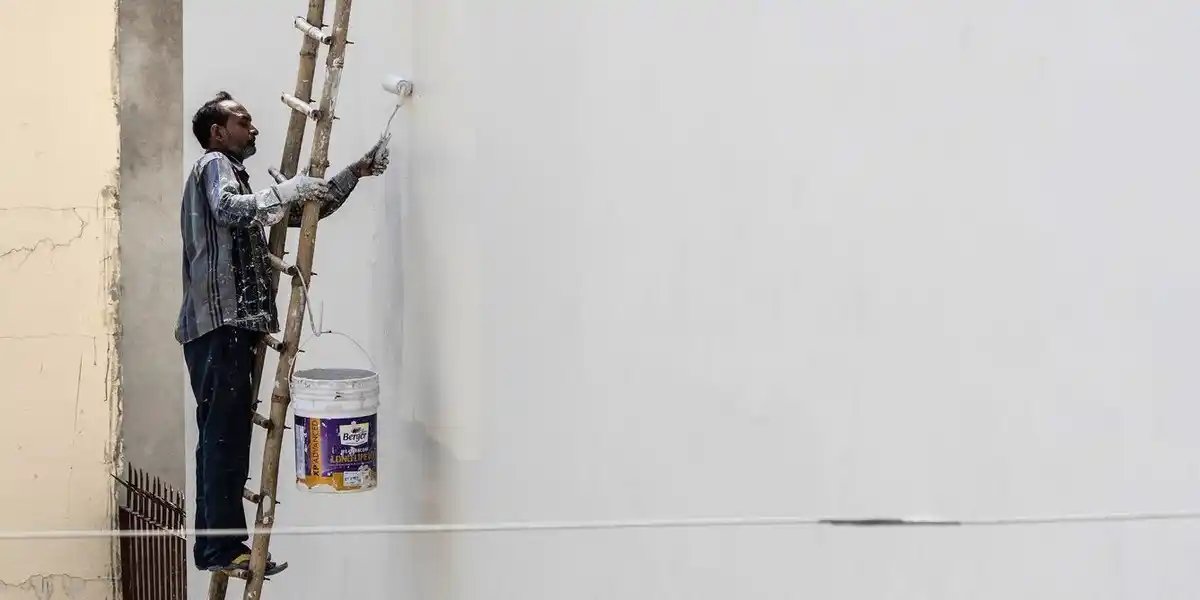
The process usually starts with a thorough inspection to spot problem areas like chipped paint, soft wood, or surfaces that need extra prep. From there, the painter will pressure wash and scrape away loose or damaged paint so the new coat has a clean surface to bond to. Any cracks, gaps, or exposed wood get caulked and primed before a single coat of finish paint goes on. Painters typically wait for dry, moderate weather since exterior paint needs stable conditions above roughly 50°F to cure properly. Two coats of quality exterior paint are then applied, often with extra attention to trim, corners, and areas most exposed to wind. A final walk-through lets you check the results together and ask about care tips before the painter wraps up the job.
Estimate Your Painting Cost
Estimated Cost by Service (per sq ft) in Wyoming (Estimate)
Note: these are average reference prices. Request a quote for an exact price.
| Estimated Cost by Service (per sq ft) | Average Price per sq ft |
|---|---|
| Exterior House Painting Siding, trim, and soffits | $ 1.44 - $ 3.84 |
| Interior Wall & Ceiling Painting Walls, ceilings, and trim | $ 0.96 - $ 2.88 |
| Deck & Fence Staining/Painting Wood decks, fences, and railings | $ 0.96 - $ 2.40 |
| Pressure Washing & Surface Prep Cleaning and scraping before painting | $ 0.19 - $ 0.48 |
| Trim-Only Painting Windows, doors, and fascia trim | $ 1.92 - $ 4.81 |
Services Worth Comparing
Whole-House Exterior Painting
When a home's exterior paint starts to look tired, a full repaint of the siding, trim, and soffits is usually the main thing to address. In a windy area like this one, exterior surfaces take a beating from airborne grit, so a durable finish matters more than it might elsewhere. A painter will typically recommend a finish rated for high-traffic weather rather than a standard interior-grade product. Careful prep work, like scraping and priming bare spots, gives the new paint a better chance of standing up to constant wind exposure. Two coats of quality paint generally hold up better against sand and debris than a single thin application. Trim and corners often need extra attention since those are the spots where wind tends to catch and wear paint down first. A semi-gloss finish often holds up better against dust and dirt than a flat sheen, which matters in a gusty climate. Timelines vary, but a typical exterior job runs from a few days to roughly a week, depending on weather conditions. Comparing quotes from a couple of local painters helps you find someone experienced with wind-related wear in this specific area.
Cleaning and Prep Before Painting
Before any paint goes on, siding usually needs a thorough cleaning to remove dirt, grime, and built-up grit. Because gusty weather here pushes dust and sand into every corner of a home's exterior, this step often takes longer than usual. Pressure washing clears away loose paint, mildew, and debris so the new coat has a clean, stable surface to adhere to. Skipping this step is one of the most common reasons a new paint job fails within just a year or two. Scraping away any remaining loose or damaged paint comes next, exposing a sound surface underneath. Sealing up cracks and gaps with caulk at this point helps keep water from getting in down the road. This kind of prep work pairs naturally with a full exterior repaint, since it sets up the whole job for better results. Some homeowners book a standalone power wash between paint jobs simply to keep the exterior looking presentable. A local pro can also suggest a reasonable cleaning schedule based on how much wind and grit this particular area sees.
Planning for Future Touch-Ups
Because wind-driven wear tends to shorten the life of a paint job, it helps to plan for touch-ups a bit sooner than you might in a calmer climate. A painter can walk you through realistic maintenance intervals based on your home's exposure and the materials used. Putting aside a modest amount each year for minor touch-ups can delay the need for a full repaint significantly. It's worth asking each contractor about their written labor warranty, since terms and coverage can vary. For bigger jobs, many painters can point you toward financing plans that break the total cost into manageable monthly payments. A specialist can walk you through those financing options during the initial quote, so there are no surprises later. Checking trim and the most exposed walls periodically between full repaints helps catch small problems early. Homes built before 1978 may contain lead-based paint, so any older property should be assessed by someone familiar with EPA lead-safe practices. A little proactive upkeep tends to cost less in the long run than letting the exterior go until a full repaint is the only option.
Financing Your Next Paint Job
Comparing a handful of estimates upfront tends to reveal a realistic price range fairly quickly. Pricing depends on factors like square footage, the condition of existing paint, and how much prep work is needed. Several painting contractors offer financing options that spread the cost of a bigger job over time. A specialist can walk you through those financing options during your initial consultation, so you know what to expect before work begins. Ask each contractor about their labor warranty too, since terms and length of coverage can differ significantly from one to the next. A bit of upfront comparison on price, warranty, and financing tends to save hassle down the road.
Local Conditions Painters Watch For
With a relatively moderate hail risk in the mix, wind-blown ice and grit can chip away at paint that would otherwise last for years. The area's relatively high tornado risk brings occasional bursts of extreme wind that can strip paint down to bare wood in a single afternoon. With a very high wind risk here, dry spells leave loose soil exposed, and that soil turns into the grit the wind drives straight into exterior walls. Storm-driven gusts tied to a very high wind risk add another layer of stress on top of the everyday abrasion. In Michigan, , which is worth keeping in mind when deciding how often to repaint. Years of very high wind exposure in this area means many homes have exteriors that have taken a beating without a refresh.
Local Facts for Wyoming
How Comparing House painters Works in Wyoming
Tell Us About Your Project
Answer a few quick questions about your painting job, interior, exterior, or both.
Get Matched with Local Painters
We connect you with painters who serve your area and can handle your project.
Compare and Choose
Review quotes side by side and pick the painter that fits your budget and timeline.
Start Comparing Local Painters
Whatever your painting needs look like, getting a couple of quotes upfront is the simplest way to move forward with confidence. Independent, local painters in Wyoming are ready to walk you through options, timelines, and pricing for your specific home. Requesting quotes doesn't lock you into anything, which makes it easy to compare a few painters before choosing one. From a full exterior repaint to a small interior touch-up, finding the right professional for the job starts with a quick comparison. Go ahead and compare a few free quotes from painters near you today. There's no cost to look around, and doing so could save real time and money on whatever project you have planned.
Call (877) 307-1322